

In Northern Virginia, where heavy spring rains can quickly give way to summer heat and drought stress, the health of your landscape often depends on what’s happening at ground level. It’s important to understand how an organic mulching protocol protects plant health and supports a more sustainable landscape.
Organic Land Care begins with soil balance. Mulch is not simply decorative, and when applied correctly and maintained properly, it becomes a powerful tool for moisture retention, weed suppression, temperature regulation, and long-term soil improvement.
“When mulch is part of an organic maintenance plan, it supports soil biology and long-term plant health,” says Cate Feck, Co-Owner Deehan Landscaping. “It’s not just about appearance, it’s also about balance.”
For homeowners in McLean, Vienna, Arlington, Fairfax, and Falls Church, understanding how to mulch properly can dramatically improve landscape performance season after season.
Mulch: The Quiet Protector of Soil Health
Northern Virginia’s heavy clay soils are often compacted leading to problems with drainage. During intense rain, stormwater often runs off landscape beds and turf instead of soaking into the landscape. And our extreme summer heat exposes soil which creates dry and stressful environments.
Mulch acts as a protective layer to regulate soil temperature during heat waves, reduces evaporation during dry periods, prevents soil erosion during storms, and suppresses weed growth. Most importantly, it breaks down slowly to help improve soil structure.
The Importance of Following an Organic Mulching Protocol
Not all mulching practices are equal. In fact, improper mulch application can harm trees, shrubs, perennials and groundcovers.
A proper mulching process focuses on:
🌳 Correct Depth: Apply mulch 2–3 inches deep only. Excess mulch can suffocate roots and trap excess moisture. 2-3 inches of mulch will also decompose within one season which is ideal to avoid excessive mulching.
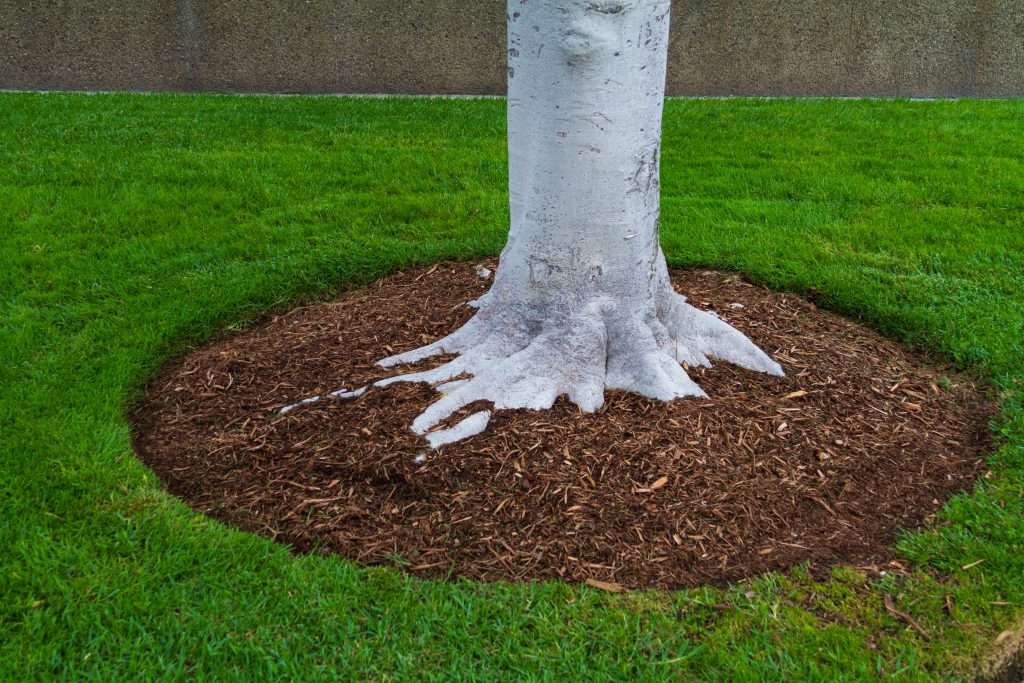
🌳 Keep Mulch Away from Trunks: Never create “mulch volcanoes.” Mulch should be pulled 3-6 inches from tree trunks and shrubs to prevent rot and pest problems. Exposing the rootflare of the trees is essential for a tree’s stability and its ability to withstand high winds. And many shrubs such as azaleas and boxwoods will decline if there is too much mulch piled over their root systems.
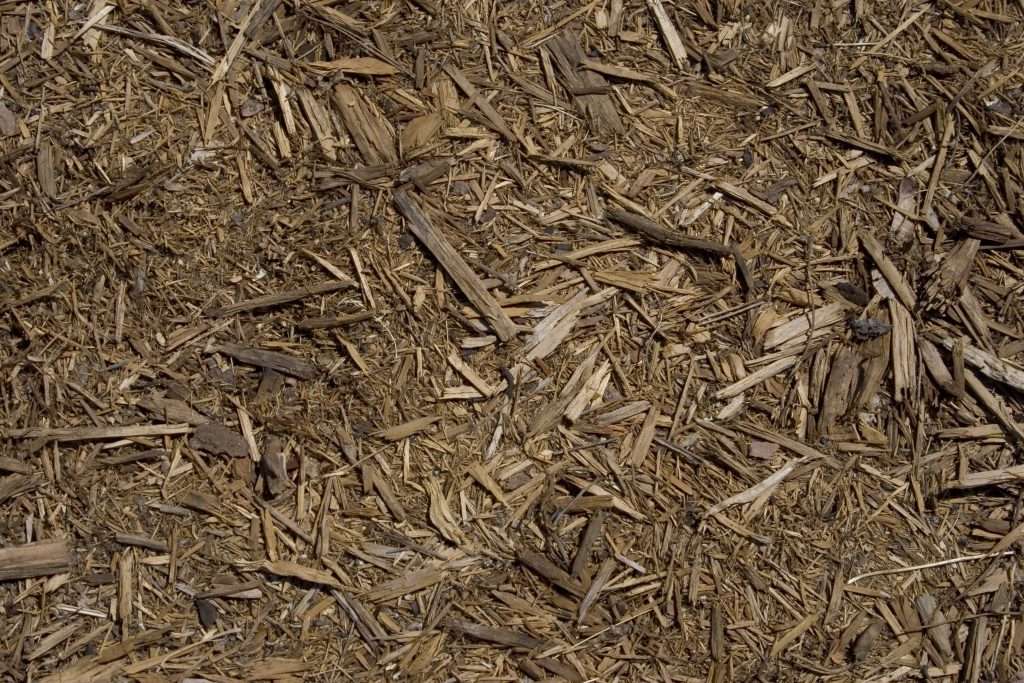
🌳 Choose Natural, Untreated Mulch: Hardwood mulch without dyes supports soil health and decomposes gradually to enrich the ground. Dyed mulch adds unnecessary chemicals into the landscape and does not provide a natural appearance.
🌳 Replenish Thoughtfully: Lightly refresh and break up compacted layers to maintain airflow and allow for rainwater penetration into the soil.
This approach aligns with sustainable landscape maintenance principles and supports the soil-first philosophy practiced by organic land care providers.
Home Mulching Tips for Northern Virginia Homeowners
If you’re maintaining your property yourself, there are practical steps you can follow. Keep in mind, landscape bed preparation is essential.
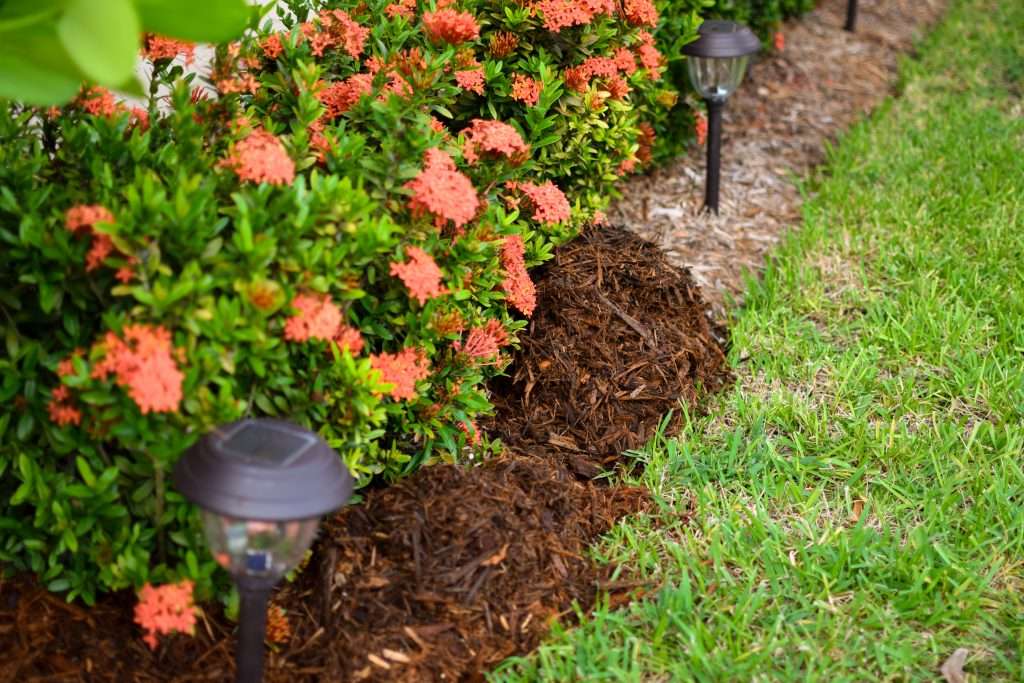
- Start by removing debris and weeds.
- Then cultivate the existing mulch to prevent compaction.
- Using a spade, carve a new bed edge at least 4” in height to create a defined edge. This helps prevent mulch from spilling into lawn areas.
- Apply mulch at a 2-3 inch depth being careful not to get too close to trees and plants.
How Professional Organic Land Care Enhances Mulching
While homeowners can apply mulch effectively, a professional organic landscaping company is a good investment. When shopping around for landscaping company that is aligned with your budget, they should be able to offer the following:
- Plant health care analysis resulting from over mulching.
- Reduction of excess mulch within beds and elimination of “mulch volcanos” to reduce plant stress. This is done by carefully removing the soil that covers the root flare of the tree and pruning of exposed fine roots.
- Soil testing to determine nutrient deficiencies within the soil affecting plant health with soil amendment treatments to correct problems.
Different Types of Mulch
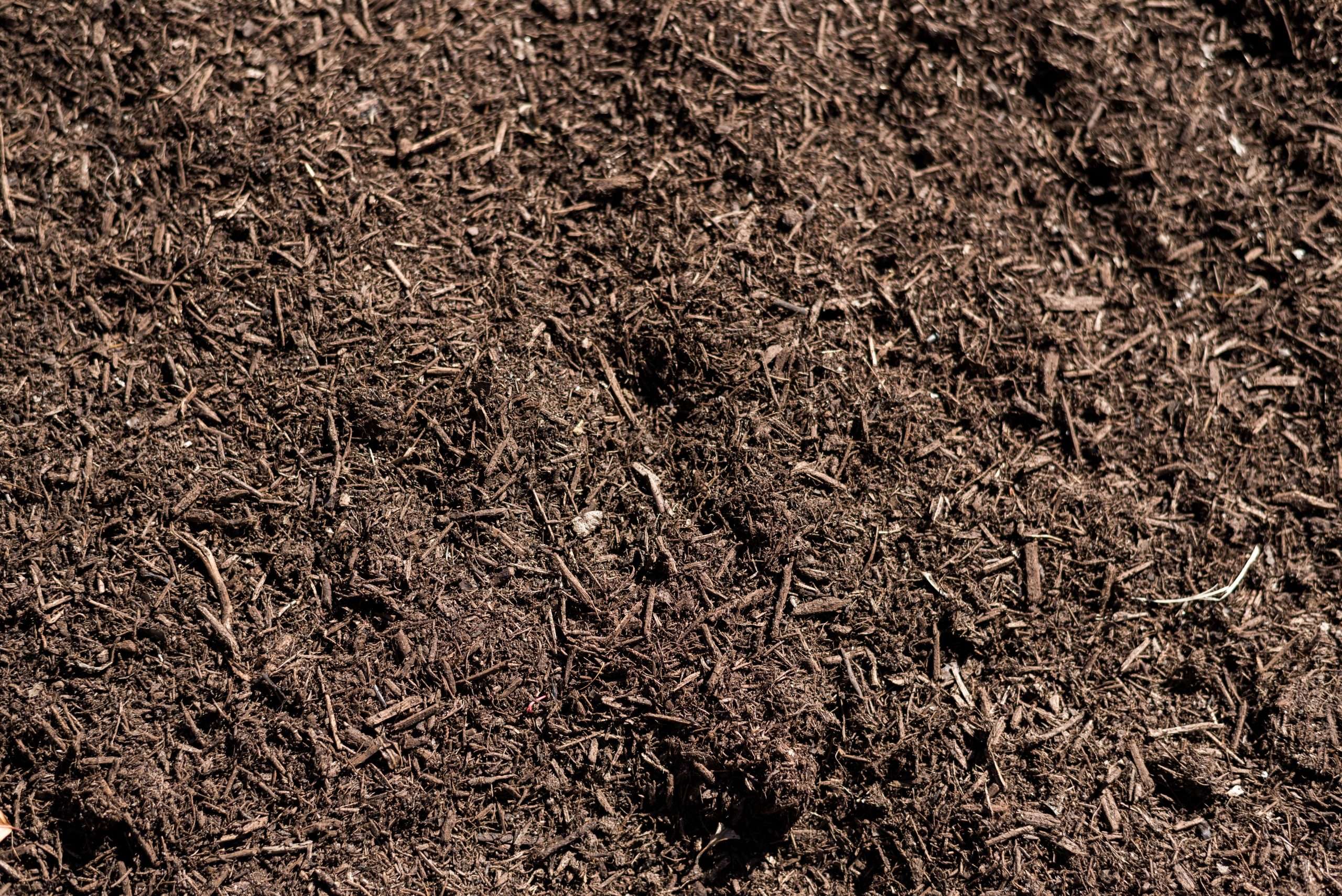
The three typical mulch types used in Northern Virginia are shedded hardwood, cedar (often used to repel insects), and leaf (used to enhance the soil health). These three different mulch types also have a different color and appearance in the landscape but they all perform the same function.
Shredded Hardwood Mulch originates from maples, oaks and poplar hardwood trees. The benefit of this mulch type is its ability to stay in place especially on sloped areas. The best uses for this medium colored mulch are shrub beds, tree rings, large open bed spaces and hillsides. It is also one of the less expensive mulch types. One negative aspect of hardwood mulches is its ability to become compacted, therefore, cultivating and breaking apart hardened mulch layers can be a necessity.
Cedar Mulch comes from shredded cedar wood and bark. It is very long lasting and decomposes slowly due to its higher lignin content requiring replenishment every other year. This is helpful considering this type of mulch is more costly. The oils in cedar wood have natural anti-insect properties due to its scent and can repel certain types of insects and fungi. Cedar mulch is lighter in color and has a distinct pleasant aroma. Best uses for this mulch would be along the house foundation to ward off insects and areas where low maintenance is desired.
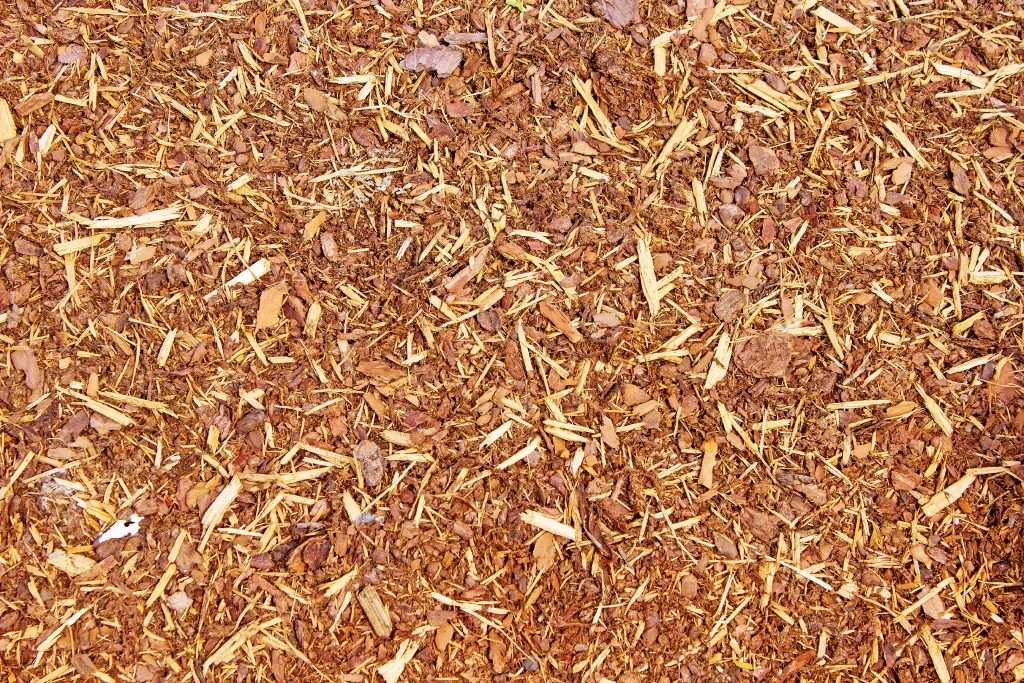
Leaf Mulch is essentially shredded and composted leaves. It is THE choice for organic gardening in vegetable beds, native plant gardens, and woodland gardens with multiple benefits for the landscape. As leaf mulch decomposes, it acts as a soil conditioner to break up soil compaction and improve drainage. Of the three mulch types, it has the greatest amount of organic matter providing a food source for soil microbes. This has a direct relationship with greater root development in plants and reduction of disease and insect problems making it the most sustainable mulching practice. This mulch type has a naturally dark appearance and fine texture. It is not suitable for sloped areas. Because it breaks down quickly, it can also be blown out of the landscape bed areas by wind.
Supporting Northern Virginia’s Unique Climate
From humid summers to fluctuating winter temperatures, Northern Virginia weather places stress on landscapes year-round.
Proper mulching will protect the root system, act as a buffer during temperature swings, improve moisture retention and reduce soil issues that can spread plant disease.
Temperature fluctuations can cause sudden loss in trees and shrubs. The mulch layer will help insulate a cold snap from stressing out the root systems of plants.
In recent years, drought has become a big concern in Northern Virginia. We’ve experienced spring months with more than adequate rainfall to no rain for weeks and weeks during the heat of the summer months. Mulching greatly helps to reduce heat and drought stress.
A Foundation for Sustainable Landscape Health
In sustainable landscaping, small practices such as proper mulching create long-term impact. Proper mulching, when performed under an organic protocol, strengthens soil, improves root structure and size offering plants relief from drought stress, supports more nutrient availability to plants, and overall reduces environmental stress.
For Northern Virginia homeowners looking to transition toward organic lawn care and sustainable landscape maintenance, mulching is one of the simplest and most powerful steps to take.
Healthy soil builds resilient landscapes. And it begins right at the surface.
About Deehan Landscaping, Organic Lawn Care & Landscape Maintenance in Northern Virginia
Deehan Landscaping provides organic land care, organic turf care, native plant design, and organic plant health care services to the Northern Virginia areas including McLean, Vienna, North Arlington, Fairfax, and Falls Church. Their science-based, earth-friendly approach helps homeowners transition existing landscapes toward long-term health and beauty through customized, property-specific programs.
